Travel
Ancient Egypt Landmarks Explained: Details, Insights, and Exploration Tips
Learn about Pyramids of Egypt tours, history, tips, cultural insights, and planning guidance for responsible and informed travel.
Introduction
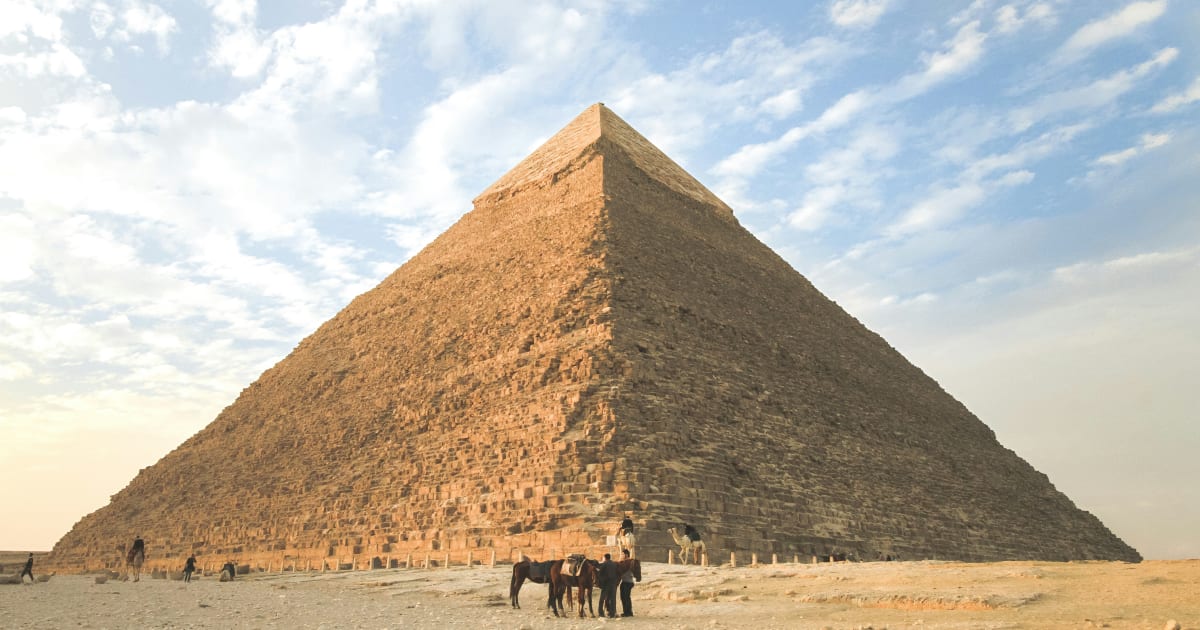
The Pyramids of Egypt are among the most iconic ancient structures in the world, representing advanced engineering, cultural beliefs, and political power of early civilizations. Built primarily during the Old Kingdom period, these monumental structures served as tombs for pharaohs and reflect the religious and social systems of ancient Egyptian society. Today, they are central to historical tourism and global heritage studies.
Interest in pyramid tours has remained strong, with consistent global attention driven by archaeological discoveries, improved tourism infrastructure, and digital access to historical information. In recent years, guided tours, virtual exploration tools, and preservation initiatives have enhanced how visitors experience these landmarks. Travelers are increasingly seeking educational and culturally immersive journeys rather than simple sightseeing.
The relevance of pyramid tours today extends beyond tourism. They play a role in cultural preservation, academic research, and international heritage awareness. Understanding their historical context and visiting responsibly contributes to the long-term conservation of these ancient sites.
Who It Affects and What Problems It Solves
Pyramid tours are relevant to tourists, historians, students, researchers, and cultural enthusiasts. They also impact local communities, tour operators, and government agencies responsible for heritage management.
For travelers, these tours provide structured access to complex historical sites, making it easier to understand their significance. For educational groups, they serve as real-world learning environments for history, archaeology, and architecture.
Problems It Solves
Limited understanding of ancient civilizations
Difficulty interpreting historical sites without guidance
Lack of structured access to large archaeological complexes
Overcrowding without proper tour management
Limited awareness of cultural preservation practices
Fragmented historical information
Core Components of Pyramid Tours
Understanding the structure of pyramid tours helps visitors plan effectively and gain deeper insights.
Key Elements Explained
Component | Description | Importance |
|---|---|---|
Major Pyramid Sites | Includes Giza, Saqqara, and Dahshur complexes | Central attractions |
Guided Tours | Professional guides explaining history and context | Enhances learning |
Transportation | Organized travel between sites | Improves convenience |
Entry Regulations | Tickets and access rules | Ensures compliance |
Cultural Context | Insights into ancient Egyptian beliefs and practices | Adds depth |
These elements ensure that visitors experience both the physical and intellectual aspects of the sites.
Recent Updates and Trends
Over the past year, pyramid tourism has seen developments in preservation, visitor management, and technology integration.
Key Trends
Increased use of digital guides and augmented reality experiences
Improved visitor facilities and infrastructure near major sites
Enhanced conservation efforts to protect fragile structures
Growth of educational and research-focused tours
Trends Comparison
Trend | Earlier Approach | Current Approach | Impact |
|---|---|---|---|
Information Access | Guidebooks and manual tours | Digital and interactive tools | Better understanding |
Site Management | Limited crowd control | Structured visitor systems | Reduced congestion |
Conservation | Reactive measures | Proactive preservation strategies | Long-term protection |
Visitor Experience | Passive observation | Interactive learning | Higher engagement |
These changes reflect a more balanced approach between tourism and preservation.
Evidence-Based Tips for Pyramid Tours
Daily Planning Habits
Visit early in the day to avoid crowds and high temperatures
Allocate sufficient time for each site
Stay hydrated and wear appropriate clothing
Pre-Visit Preparation
Learn basic historical context before arrival
Understand ticketing and access rules
Plan transportation between sites
Cultural and Environmental Awareness
Respect site regulations and restricted areas
Avoid touching or climbing on structures
Follow guidelines provided by authorities
Practical Tips and Outcomes
Practice | Expected Outcome |
|---|---|
Early visits | Reduced crowd exposure |
Pre-learning | Better historical understanding |
Proper attire | Comfort in hot climate |
Rule compliance | Preservation of monuments |
Hydration | Improved physical well-being |
Research in heritage tourism shows that informed visitors contribute to better conservation outcomes.
Laws and Policies
Pyramid tours are governed by national heritage laws and international preservation guidelines.
Key Policy Areas
Protection under national antiquities laws
UNESCO World Heritage regulations
Visitor access restrictions to sensitive areas
Licensing requirements for tour guides
Practical Guidance
Situation | Recommended Approach |
|---|---|
Visiting protected areas | Follow official entry and movement rules |
Hiring guides | Choose licensed professionals |
Photography | Check permitted zones and restrictions |
Cultural conduct | Respect local customs and traditions |
These policies aim to preserve historical integrity while allowing public access.
Tools and Resources
Various tools can enhance planning and understanding of pyramid tours.
Useful Resources
Digital maps and navigation apps
Audio guide platforms
Historical research databases
Travel planning tools
Language translation apps
Tools Comparison
Tool Type | Function | Benefit |
|---|---|---|
Navigation Apps | Route and site mapping | Easy movement |
Audio Guides | Historical narration | Self-paced learning |
Research Platforms | Access to historical data | Deeper knowledge |
Planning Tools | Trip organization | Efficiency |
Translation Apps | Language support | Better communication |
These resources help visitors navigate both logistical and educational aspects of pyramid tours.
FAQ
What are the Pyramids of Egypt?
They are ancient monumental structures built as tombs for pharaohs, reflecting advanced engineering and cultural beliefs.
Which pyramid site is most popular?
The Giza complex is the most visited due to its scale and historical significance.
Are guided tours necessary?
While not mandatory, guided tours provide deeper historical insights and structured exploration.
What is the best time to visit?
Early morning or cooler months are generally more comfortable for exploration.
Are there restrictions for visitors?
Yes, certain areas have limited access to protect the structures and ensure safety.
Conclusion
Pyramids of Egypt tours offer a structured and educational way to explore one of the world’s most significant historical landscapes. Their continued global relevance reflects both their cultural importance and ongoing efforts in preservation and research.
Data from heritage tourism studies indicates that guided and well-managed visits improve both visitor understanding and site conservation. Technological advancements and stricter policies have further enhanced the balance between accessibility and protection.
For most visitors, the best approach is to combine preparation, respect for regulations, and use of educational tools. By understanding historical context and following responsible travel practices, individuals can gain meaningful insights while contributing to the preservation of these ancient landmarks.