Travel
Himalayan Mountain Adventures Explained: Learn Trekking Basics, Safety Tips, and Key Travel Insights
Learn Himalayan trekking basics, safety tips, routes, and travel insights with practical guidance for safe and rewarding mountain adventures.
Introduction
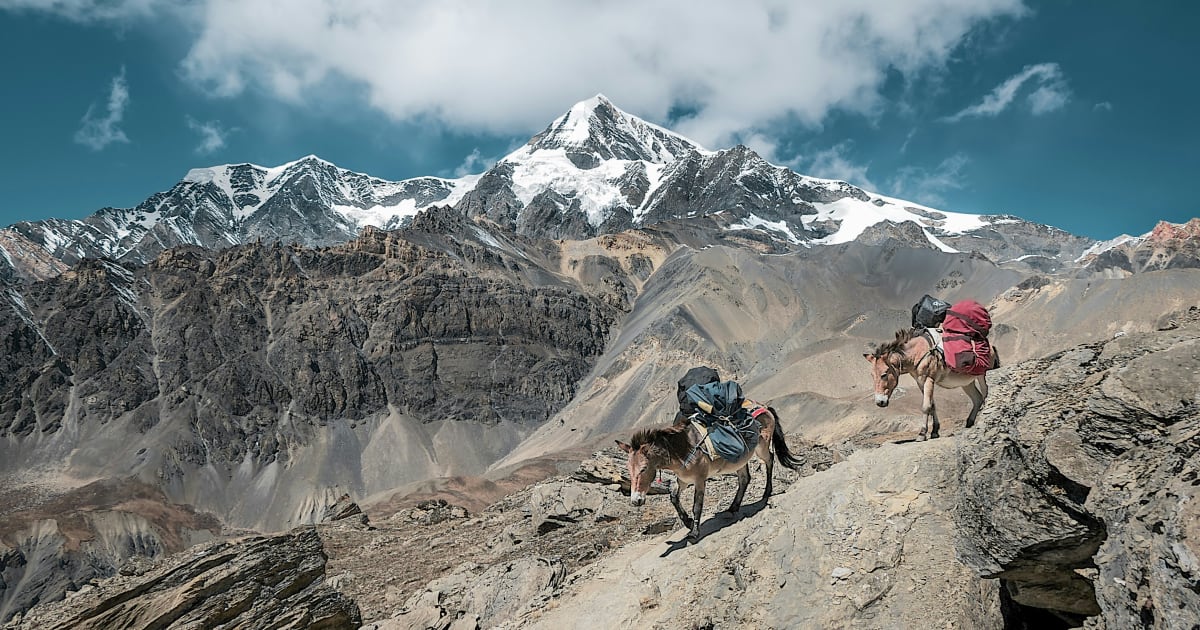
The Himalayas are one of the world’s most significant mountain ranges, stretching across countries including India, Nepal, Bhutan, China, and Pakistan. Known for their dramatic landscapes, diverse ecosystems, and cultural heritage, the Himalayas attract trekkers, climbers, and nature enthusiasts from around the globe. Himalayan adventures range from beginner-friendly trekking routes to challenging high-altitude expeditions.
In recent years, mountain tourism in the Himalayas has grown due to increased accessibility, digital travel planning tools, and rising interest in outdoor experiences. At the same time, awareness of environmental sustainability, altitude safety, and responsible tourism has become more important. Travelers are now focusing not only on adventure but also on preparation, ecological impact, and local cultural experiences.
The relevance of understanding Himalayan trekking lies in ensuring safe, informed, and responsible travel. Proper planning, fitness preparation, and awareness of mountain conditions are essential for a successful experience.
Who It Affects and What Problems It Solves
This topic is relevant to trekkers, adventure travelers, photographers, nature enthusiasts, and individuals exploring mountain tourism for the first time. It is especially useful for beginners planning Himalayan travel.
For travelers, it simplifies preparation and improves safety awareness. For adventure planners, it provides practical guidance for route and equipment decisions.
Problems It Solves
Lack of trekking preparation and planning
Difficulty understanding altitude-related risks
Poor equipment and packing decisions
Uncertainty about route selection
Limited awareness of weather and terrain conditions
Inadequate safety and fitness preparation
Core Components of Himalayan Trekking
Understanding the basics helps travelers prepare effectively.
Key Elements Explained
Component | Description | Importance |
|---|---|---|
Trekking Route | Planned mountain trail or expedition path | Determines difficulty |
Altitude | Elevation above sea level | Affects health and endurance |
Weather Conditions | Temperature, rainfall, and seasonal changes | Influences safety |
Physical Fitness | Endurance and strength preparation | Supports performance |
Equipment | Clothing, footwear, and trekking gear | Ensures safety and comfort |
These components form the foundation of successful Himalayan travel.
Popular Himalayan Adventure Types
Common Activities
Adventure Type | Description | Suitable For |
|---|---|---|
Day Treks | Short-distance mountain hikes | Beginners |
Multi-Day Treks | Extended trekking experiences | Intermediate trekkers |
High-Altitude Treks | Routes above 3,500 meters | Experienced travelers |
Mountaineering | Technical climbing activities | Advanced climbers |
Nature Exploration | Wildlife and photography trips | General travelers |
Different activities require different levels of preparation and skill.
Trekking Basics for Beginners
Essential Preparation Steps
Build physical endurance through walking or cardio training
Research routes and weather conditions in advance
Carry essential trekking gear and identification
Start with moderate altitude routes before advanced expeditions
Basic Trekking Checklist
Item Category | Examples | Purpose |
|---|---|---|
Clothing | Thermal wear, jackets, gloves | Weather protection |
Footwear | Trekking boots with grip | Stability |
Navigation Tools | Maps, GPS devices | Route guidance |
Safety Supplies | First aid kit, flashlight | Emergency support |
Hydration | Water bottles, purification tablets | Health maintenance |
Proper preparation significantly improves safety and comfort.
Recent Updates and Trends
Over the past year, Himalayan tourism has evolved with changing travel preferences.
Key Trends
Increased focus on eco-friendly and responsible trekking
Growth of guided trekking services and digital route planning
Rising awareness of altitude sickness and health precautions
Preference for smaller group and sustainable travel experiences
Trends Comparison
Trend | Earlier Approach | Current Approach | Impact |
|---|---|---|---|
Trekking Style | Large group tours | Smaller guided groups | Personalized experiences |
Planning | Manual research | Digital planning tools | Convenience |
Environmental Awareness | Limited focus | Sustainable trekking practices | Conservation |
Safety Preparation | Basic precautions | Structured acclimatization | Risk reduction |
These trends reflect a shift toward safer and more sustainable adventure travel.
Evidence-Based Safety Tips for Himalayan Travel
Health and Fitness Preparation
Train for endurance before the trek
Acclimatize gradually at higher altitudes
Stay hydrated and maintain nutrition
Weather and Route Awareness
Check weather forecasts regularly
Avoid risky routes during severe conditions
Inform others about travel plans
Equipment and Emergency Readiness
Carry layered clothing for temperature changes
Use reliable trekking footwear
Keep emergency contacts and supplies accessible
Practical Tips and Outcomes
Practice | Expected Outcome |
|---|---|
Gradual acclimatization | Reduced altitude sickness risk |
Proper gear selection | Improved safety and comfort |
Weather monitoring | Better travel decisions |
Fitness preparation | Enhanced endurance |
Emergency planning | Increased preparedness |
Mountain safety studies show that acclimatization and preparation significantly reduce trekking risks.
Laws and Policies
Himalayan travel may be influenced by tourism and environmental regulations.
Key Policy Areas
Trekking permits and protected area regulations
Environmental conservation guidelines
Safety and rescue policies
Local tourism and camping restrictions
Practical Guidance
Situation | Recommended Approach |
|---|---|
Entering protected areas | Obtain required permits |
Camping and waste disposal | Follow eco-friendly guidelines |
Guided trekking | Use authorized operators where required |
Cross-border travel | Check visa and documentation rules |
These measures help preserve mountain ecosystems and improve traveler safety.
Tools and Resources
Various tools can assist in planning Himalayan adventures.
Useful Resources
Trekking route planning apps
Weather forecasting tools
Fitness tracking apps
Altitude monitoring devices
Travel budgeting tools
Tools Comparison
Tool Type | Function | Benefit |
|---|---|---|
Navigation Apps | Route planning and tracking | Better orientation |
Weather Tools | Forecast mountain conditions | Safety awareness |
Fitness Apps | Track endurance training | Preparation |
Altitude Devices | Monitor elevation levels | Health management |
Budget Tools | Estimate travel costs | Financial planning |
These tools support safer and more organized travel experiences.
FAQ
What is the best time for Himalayan trekking?
Spring and autumn are commonly preferred due to stable weather conditions.
Do beginners need guides for Himalayan treks?
Guides are helpful for navigation, safety, and local knowledge, especially for beginners.
What is altitude sickness?
It is a condition caused by reduced oxygen levels at high elevations.
How physically fit should I be for trekking?
Moderate endurance and stamina are generally recommended for most treks.
What is the most important trekking equipment?
Proper footwear, layered clothing, and safety supplies are essential.
Conclusion
Himalayan mountain adventures offer a combination of natural beauty, physical challenge, and cultural exploration. However, successful trekking requires careful preparation, safety awareness, and responsible travel practices.
Data from mountain tourism and safety studies shows that proper acclimatization, fitness preparation, and route planning significantly improve trekking outcomes and reduce risks. Modern digital tools and guided services further enhance accessibility and safety.
For most travelers, the best approach is to begin with moderate routes, prepare thoroughly, and prioritize environmental responsibility. By combining planning, fitness, and safety awareness, Himalayan adventures can become rewarding and memorable experiences without unnecessary risk.