Travel
Private Island Travel Guide: Tips, Insights, and Planning Basics
Explore private island vacations with tips, insights, costs, and planning guidance for exclusive, responsible, and well-informed travel decisions.
Introduction
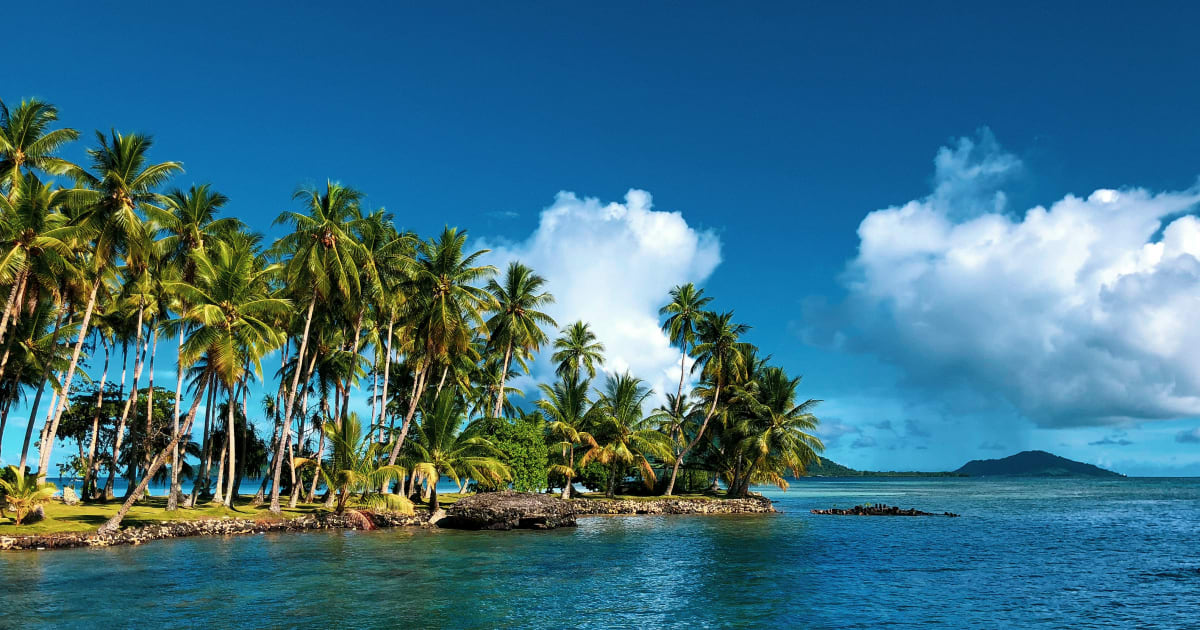
Private island vacations refer to travel experiences where individuals or groups stay on islands that offer limited or exclusive access. These destinations range from fully privately owned islands to resort-managed properties with controlled guest capacity. Unlike traditional tourism, private island travel emphasizes privacy, personalized services, and a more secluded natural environment.
In recent years, private island vacations have gained attention due to changing traveler preferences. Post-pandemic travel behavior, increased demand for low-density environments, and the influence of digital content have contributed to their growing popularity. Travelers are increasingly prioritizing safety, privacy, and unique experiences over crowded tourist destinations.
The relevance of this travel segment is also tied to broader trends in sustainable tourism and luxury travel diversification. Many private islands are now integrating eco-friendly practices, conservation initiatives, and community-based tourism models. As a result, private island vacations are no longer limited to high-end luxury but are evolving into a more structured and diverse travel category.
Who It Affects and What Problems It Solves
Private island vacations appeal to a wide range of travelers, including couples, families, corporate groups, and individuals seeking privacy or specialized experiences. They are also relevant to travel planners, hospitality providers, and environmental organizations involved in sustainable tourism.
For travelers, these vacations offer controlled environments, reduced crowd exposure, and tailored experiences. For operators, they provide opportunities to manage tourism sustainably by limiting visitor numbers and preserving natural resources.
Problems It Solves
Overcrowding in popular tourist destinations
Lack of privacy in conventional hotels and resorts
Limited personalized travel experiences
Noise and environmental stress in urban tourism
Safety concerns related to mass tourism
Difficulty in accessing untouched natural locations
Core Components of Private Island Vacations
Understanding the structure of private island travel helps in making informed decisions and planning effectively.
Key Elements Explained
Component | Description | Importance |
|---|---|---|
Exclusive Access | Limited number of guests or full island booking | Ensures privacy |
Accommodation Types | Villas, eco-lodges, or resort-style properties | Determines comfort level |
Transportation | Boat, seaplane, or helicopter access | Affects logistics |
Services & Amenities | Dining, activities, and concierge services | Enhances experience |
Sustainability Model | Eco-friendly operations and conservation practices | Supports environment |
These components define the overall experience and vary significantly across destinations.
Recent Updates and Trends
Over the past year, private island vacations have evolved in response to global travel patterns and sustainability concerns.
Key Trends
Increased demand for eco-conscious and low-impact travel
Expansion of mid-range private island options beyond ultra-luxury
Integration of digital booking platforms and virtual tours
Focus on wellness retreats and remote work-friendly environments
Trends Comparison
Trend | Earlier Approach | Current Approach | Impact |
|---|---|---|---|
Accessibility | Limited to high-end travelers | Broader pricing and options | Wider audience |
Sustainability | Optional feature | Core operational strategy | Environmental protection |
Booking Process | Agent-based | Online platforms and direct booking | Convenience |
Experience Type | Leisure-focused | Wellness and work integration | Diverse use cases |
These trends indicate a shift toward inclusivity, flexibility, and environmental responsibility.
Evidence-Based Tips for Planning Private Island Vacations
Daily Planning Habits
Research destination climate and seasonal conditions
Compare travel logistics such as transfer time and accessibility
Review accommodation details and included services
Pre-Trip Preparation
Plan budgets including transportation and additional services
Check visa and travel documentation requirements
Understand cancellation and booking policies
Environmental and Cultural Awareness
Respect local ecosystems and conservation guidelines
Minimize waste and resource usage
Learn about local communities and cultural practices
Practical Tips and Outcomes
Practice | Expected Outcome |
|---|---|
Seasonal research | Better weather experience |
Budget planning | Cost control and transparency |
Policy awareness | Reduced travel disruptions |
Eco-friendly behavior | Sustainable travel impact |
Cultural understanding | Improved local interaction |
Travel studies show that pre-planning and awareness significantly improve satisfaction and reduce unexpected challenges.
Laws and Policies
Private island vacations are influenced by national and regional regulations related to tourism, land ownership, and environmental protection.
Key Policy Areas
Coastal and island development regulations
Environmental protection laws and marine conservation rules
Tourism licensing and operational standards
Immigration and visa policies for visitors
Practical Guidance
Situation | Recommended Approach |
|---|---|
Visiting protected islands | Follow entry permits and conservation rules |
Booking accommodations | Verify licensed operators |
Environmental compliance | Adhere to waste and resource guidelines |
Travel documentation | Check visa and entry requirements |
Governments often regulate private islands to balance tourism growth with ecological preservation.
Tools and Resources
Various tools can assist in planning and managing private island vacations.
Useful Resources
Travel planning platforms
Weather forecasting tools
Budget calculators
Booking comparison websites
Digital itinerary planners
Tools Comparison
Tool Type | Function | Benefit |
|---|---|---|
Planning Platforms | Destination research | Informed decisions |
Weather Tools | Forecast conditions | Better scheduling |
Budget Calculators | Expense estimation | Financial planning |
Booking Sites | Accommodation comparison | Cost transparency |
Itinerary Apps | Trip organization | Efficient travel management |
These resources help streamline planning and improve decision-making.
FAQ
What is a private island vacation?
It is a travel experience on an island with limited or exclusive access, offering privacy and controlled environments.
Are private island vacations only for luxury travelers?
No, options are expanding to include mid-range and eco-friendly stays with varying price points.
How do you reach a private island?
Access is usually via boat, seaplane, or helicopter, depending on location.
Are private islands environmentally sustainable?
Many are adopting eco-friendly practices, but sustainability varies by operator.
What should be considered before booking?
Factors include cost, accessibility, weather, policies, and environmental impact.
Conclusion
Private island vacations represent a growing segment of travel focused on privacy, exclusivity, and controlled experiences. Their rise is linked to changing traveler preferences, increased awareness of sustainability, and advancements in travel planning tools.
Data from tourism research suggests that low-density travel environments improve perceived safety and satisfaction. Additionally, structured management of visitor numbers helps protect fragile ecosystems, making private islands a viable model for sustainable tourism when properly regulated.
For most travelers, the best approach is to evaluate accessibility, budget, and environmental practices before choosing a destination. A balanced decision—combining practical planning, responsible behavior, and realistic expectations—ensures a more informed and rewarding travel experience without unnecessary risks or misconceptions.