Jewellery
Three-Stone Engagement Rings: In-Depth Guide with Expert Suggestions and Helpful Resources
Learn about three-stone engagement rings with this detailed guide covering styles, symbolism, trends, and practical design insights.
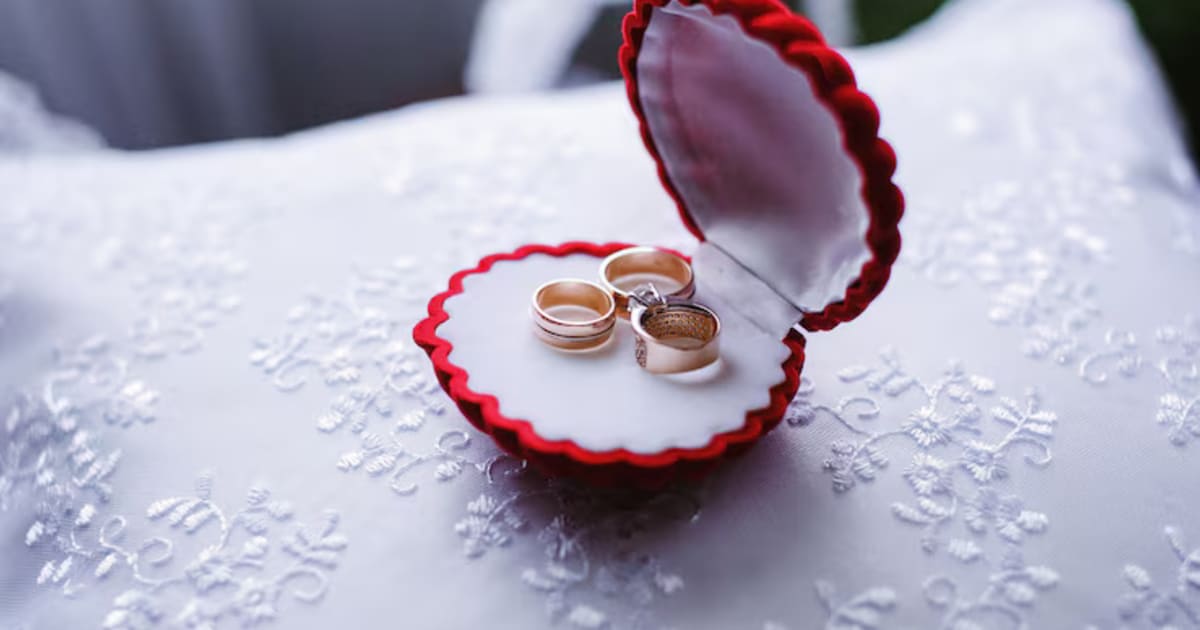
The global jewelry industry has seen continuing interest in three-stone engagement rings as consumers increasingly seek designs that combine personalization with timeless appeal. According to global jewelry research, buyers are showing greater interest in rings that provide both visual presence and emotional significance without relying solely on trend-driven styling. Three-stone settings naturally support this preference because they offer opportunities for creative gemstone combinations, varied shapes, and balanced design proportions. As jewelry trends continue evolving internationally, these rings remain popular among individuals looking for engagement jewelry with added dimension and symbolism.
The influence of three-stone engagement rings extends beyond appearance alone. For many people, engagement jewelry represents a meaningful personal investment connected to long-term commitment and self-expression. Design decisions related to gemstone arrangement, setting structure, and band material often reflect both practical lifestyle considerations and emotional preferences. Understanding three-stone engagement rings helps buyers, collectors, and jewelry enthusiasts evaluate durability, maintenance, styling flexibility, and visual balance more effectively. This naturally leads into examining who these rings appeal to most and the practical challenges they help solve.
Who It Affects & Problems It Solves
Three-stone engagement rings appeal to a wide range of individuals globally, including first-time jewelry buyers, couples seeking symbolic designs, collectors of detailed jewelry styles, and people looking for alternatives to minimalist settings. Jewelry designers and gemstone specialists also closely follow three-stone ring trends because these designs allow for creative customization while maintaining a classic engagement ring structure. Their adaptability makes them suitable for both traditional and modern personal styles.
Without understanding the differences between ring settings and gemstone arrangements, many buyers struggle to choose jewelry that balances appearance, comfort, and long-term practicality. Three-stone engagement rings solve several common concerns by offering additional visual depth without requiring highly intricate or oversized designs. The side stones can enhance the appearance of the center gemstone while creating a fuller overall profile. This balanced structure often appeals to individuals seeking a ring that feels elegant and visually substantial without appearing overly decorative.
A common issue observed internationally involves buyers selecting highly trend-focused ring designs that may feel less versatile over time. Rings with excessive detailing or highly specialized styles can sometimes become difficult to pair with other jewelry or adapt to changing fashion preferences. Three-stone engagement rings help address these concerns by combining timeless structure with opportunities for personalization. Their flexible design allows for both classic and modern interpretations while maintaining broad style compatibility. As engagement jewelry trends continue evolving globally, recent developments in three-stone ring design have become increasingly important to understand.
Recent Updates
Over the past year, jewelry designers globally have increasingly emphasized balanced elegance and personalization in engagement ring collections. Three-stone engagement rings have gained attention because they provide opportunities to combine different gemstone cuts and subtle design details while preserving a sophisticated appearance. Many modern designs now feature slimmer bands, cleaner settings, and carefully proportioned side stones that enhance visual harmony without overwhelming the center gemstone.
In early 2025, industry discussions increasingly highlighted interest in mixed gemstone combinations and alternative stone shapes within three-stone settings. While traditional round center stones remain highly recognized, oval, emerald, radiant, and pear-shaped stones have become more common internationally. Buyers are increasingly interested in creating designs that reflect personal style while maintaining classic structural balance. This trend has encouraged jewelers to experiment with asymmetrical stone arrangements and contemporary setting profiles.
Another important development involves growing consumer awareness regarding sustainability and ethical sourcing. Jewelry buyers globally are paying closer attention to gemstone origins, recycled metals, and responsible production methods. Three-stone engagement rings often align well with these preferences because they allow designers to incorporate varied gemstone choices and customizable materials without relying on excessive ornamentation. This flexibility supports a broader range of responsible design approaches within the jewelry industry.
Technology has also influenced jewelry customization during the past year. Advanced computer-assisted design systems and digital visualization tools now allow buyers to preview three-stone ring proportions and gemstone arrangements with greater accuracy before production. These tools help customers better understand how different stone sizes, cuts, and band shapes interact visually. These ongoing developments provide useful context before comparing the major characteristics of three-stone engagement ring styles.
Comparison Table
The following table compares three-stone engagement rings with solitaire and halo engagement ring styles. These parameters matter universally because they influence appearance, maintenance, versatility, and long-term wearability.
| Parameter | Three-Stone Engagement Rings | Solitaire Engagement Rings | Halo Engagement Rings |
|---|---|---|---|
| Main Design Structure | Center stone with side stones | Single center gemstone | Center stone surrounded by accents |
| Visual Appearance | Balanced and detailed | Minimalist and classic | Sparkling and decorative |
| Symbolic Meaning | Often highly symbolic | Traditionally simple elegance | Glamorous visual emphasis |
| Maintenance Complexity | Moderate | Lower | Moderate to high |
| Style Flexibility | High | Very versatile | Trend-influenced |
| Gemstone Presence | Enhanced visual depth | Strong center focus | Expanded brilliance effect |
| Daily Wear Comfort | Generally comfortable | Comfortable and lightweight | Depends on setting complexity |
| Customization Potential | Very high | High | High |
| Cleaning Requirements | Moderate | Easier to maintain | More detailed cleaning |
| Best Suited For | Balanced elegance and symbolism | Timeless simplicity | Decorative visual impact |
The table shows that three-stone engagement rings provide a strong balance between symbolism, visual detail, and customization flexibility. While solitaire rings emphasize simplicity and halo rings focus on brilliance, three-stone settings offer a combination of structure, depth, and timeless style appeal. Understanding these distinctions also highlights why practical wearability and material quality are important considerations when selecting engagement jewelry.
Regulations & Practical Guidance
In most countries, jewelry products are generally subject to consumer protection standards related to gemstone representation, precious metal purity, and product transparency. International jewelry practices commonly encourage accurate disclosure regarding gemstone quality, ring materials, and manufacturing processes. Buyers globally are increasingly interested in understanding craftsmanship details and long-term durability before selecting engagement jewelry intended for everyday wear.
Most jurisdictions also maintain general expectations regarding jewelry labeling and material identification. Jewelers commonly provide information about gemstone characteristics, metal composition, and care recommendations to support informed purchasing decisions. Because three-stone engagement rings include multiple gemstones, balanced setting security and consistent craftsmanship are particularly important for maintaining durability and visual symmetry over time.
Another important consideration involves lifestyle compatibility and maintenance requirements. Rings with larger side stones or elevated settings may require additional attention during everyday activities. Jewelry professionals internationally often recommend balancing aesthetic preferences with comfort, durability, and practical wearability. These broader considerations naturally lead into practical guidance regarding which three-stone ring style may suit different situations.
Which Option Suits Your Situation?
For individuals who appreciate meaningful symbolism and balanced design, a traditional three-stone engagement ring may provide an ideal combination of emotional significance and timeless appearance. The structured arrangement creates visual depth while maintaining broad compatibility with different fashion styles and wedding bands.
Someone with an active lifestyle may benefit from a lower-profile three-stone setting designed for comfort and durability. Simpler side stone arrangements and secure mounting styles can help reduce maintenance concerns while preserving the ring’s elegant appearance during everyday wear.
Buyers seeking more distinctive or modern jewelry styles may prefer customized three-stone rings featuring mixed gemstone shapes or contemporary band designs. These personalized variations allow individuals to express unique preferences while still maintaining the balanced structure associated with traditional three-stone settings.
First-time jewelry buyers may find three-stone engagement rings appealing because they provide visual richness without requiring extremely ornate detailing. Understanding how stone proportions, setting height, and band width interact can help buyers choose designs that feel both practical and visually harmonious. With these considerations in mind, it is also useful to explore educational tools and helpful resources related to engagement ring selection.
Tools & Resources
Several globally accessible tools and educational resources can help individuals better understand three-stone engagement rings and jewelry design principles.
Gemstone Education Guides — Informational resources explaining gemstone cuts, clarity characteristics, proportions, and visual quality factors relevant to engagement ring selection.
Jewelry Visualization Software — Digital tools that allow users to preview ring settings, gemstone arrangements, and band styles before final production.
Ring Size Measurement Tools — Practical resources designed to help individuals determine accurate and comfortable ring sizing for long-term daily wear.
Precious Metal Care Guides — Educational materials explaining cleaning routines, storage methods, and maintenance practices for jewelry metals and gemstone settings.
Jewelry Comparison Charts — Reference resources comparing engagement ring styles, gemstone shapes, and setting structures to support informed decision-making.
Diamond and Gemstone Learning Modules — Educational content focused on understanding gemstone brilliance, symmetry, and visual appearance in different ring designs.
Jewelry Styling Resources — Informational materials exploring how engagement rings pair with wedding bands and different personal fashion preferences.
These resources help connect jewelry knowledge with practical buying decisions, which naturally leads into common questions people frequently ask about three-stone engagement rings.
Frequently Asked Questions
What makes a three-stone engagement ring unique?
A three-stone engagement ring features a center gemstone accompanied by two side stones, creating a balanced and visually layered design. Many people associate the three stones with symbolic meanings related to relationships and shared experiences. Compared to simpler settings, this style often provides additional visual depth while maintaining a classic and elegant appearance suitable for long-term wear.
Who should choose a three-stone engagement ring?
Three-stone engagement rings are often suitable for individuals who appreciate symbolic jewelry, balanced aesthetics, and customizable designs. They work well for buyers seeking a ring with greater visual presence than a solitaire setting without becoming excessively decorative. Their adaptable structure also makes them compatible with both traditional and modern personal style preferences.
Are three-stone engagement rings subject to jewelry quality standards?
In most countries, jewelry products generally follow standards related to gemstone representation, material disclosure, and manufacturing accuracy. Jewelers commonly provide information regarding gemstone characteristics, precious metal composition, and ring craftsmanship. Buyers are encouraged to understand these details to ensure durability, authenticity, and long-term satisfaction with engagement jewelry purchases.
Do three-stone engagement rings require more maintenance than simpler styles?
A common misconception is that three-stone rings are extremely difficult to maintain. While additional gemstones may require slightly more cleaning attention compared to solitaire settings, proper care routines generally keep these rings in good condition. Regular inspection of stone settings and routine cleaning help maintain appearance and structural security during everyday wear.
What gemstone shapes work best in three-stone engagement rings?
Three-stone engagement rings can feature many gemstone combinations, including round, oval, emerald, cushion, pear, and radiant cuts. The best choice depends on personal style, desired visual balance, and overall ring proportions. Matching or complementary stone shapes are commonly used to create harmony between the center gemstone and side stones.
Conclusion
Three-stone engagement rings continue to remain highly valued in the global jewelry industry because they combine symbolism, visual depth, and versatile design appeal. As explored throughout this article, these rings help address practical concerns related to personalization, long-term style flexibility, and balanced aesthetics. Their adaptable structure allows them to suit a wide range of fashion preferences while maintaining timeless elegance.
For individuals selecting an engagement ring, the most important considerations include comfort, gemstone quality, lifestyle compatibility, and overall design balance. Three-stone engagement rings are especially suitable for those seeking meaningful symbolism and enhanced visual presence, while simpler or more decorative styles may better suit different personal preferences.
Looking ahead, global jewelry trends suggest that three-stone engagement rings will continue evolving through personalized customization, modern setting innovations, and growing emphasis on sustainable craftsmanship and responsible material sourcing.