Travel
Trekking at Altitude: Facts, Guidance, and Helpful Planning Suggestions
Explore high-altitude trekking routes with safety tips, altitude facts, and planning insights for responsible mountain travel and better preparation.
Introduction
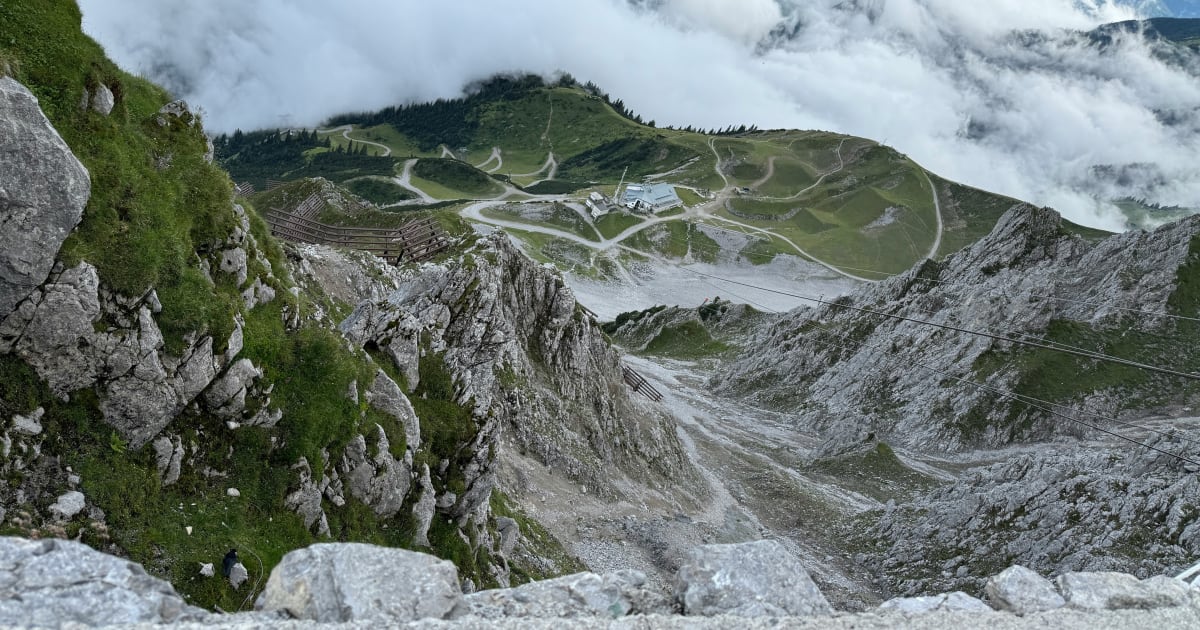
High-altitude trekking refers to hiking routes located at elevations typically above 2,500 meters (8,200 feet), where reduced oxygen levels begin to affect the human body. These treks are often found in mountain ranges such as the Himalayas, Andes, and Alps, offering unique landscapes, cultural experiences, and physical challenges. Unlike standard hiking, high-altitude trekking requires careful planning due to environmental conditions like low oxygen, unpredictable weather, and rugged terrain.
In recent years, interest in high-altitude trekking has increased due to the growth of adventure tourism and social media exposure of remote destinations. Travelers are increasingly seeking immersive and physically engaging experiences rather than conventional tourism. This shift has led to improved infrastructure in some trekking regions, including better trails, digital navigation tools, and organized support systems.
The importance of understanding high-altitude trekking has also grown alongside awareness of altitude-related health risks and environmental sustainability. Proper knowledge helps reduce risks such as altitude sickness and ensures responsible interaction with fragile mountain ecosystems.
Who It Affects and What Problems It Solves
High-altitude trekking impacts a wide range of individuals, including adventure travelers, fitness enthusiasts, researchers, and local communities in mountainous regions. It is also relevant to policymakers and tourism operators who manage trekking routes and environmental conservation.
For travelers, these treks provide physical challenges and exposure to remote natural environments. For local communities, trekking tourism can support economic development through guiding services, accommodation, and cultural exchange.
Problems It Solves
Limited access to remote mountain regions
Lack of awareness about altitude-related risks
Need for structured adventure travel experiences
Economic challenges in remote communities
Overcrowding in low-altitude tourist destinations
Limited understanding of mountain ecosystems
Core Components of High-Altitude Trekking
Successful high-altitude trekking depends on understanding several essential components related to safety, planning, and environmental conditions.
Key Elements Explained
Component | Description | Importance |
|---|---|---|
Altitude Levels | Elevation above sea level affecting oxygen availability | Determines physical impact |
Acclimatization | Gradual adjustment of the body to altitude | Prevents health risks |
Trekking Routes | Pre-defined mountain paths with varying difficulty levels | Guides navigation |
Weather Conditions | Temperature, wind, and precipitation variability | Affects safety |
Gear and Equipment | Clothing, footwear, and safety tools | Ensures preparedness |
These elements are interdependent, meaning neglecting one can significantly impact the overall trekking experience and safety.
Recent Updates and Trends
Over the past year, high-altitude trekking has evolved with improvements in technology, safety awareness, and sustainability practices.
Key Trends
Increased use of GPS-enabled trekking apps and offline navigation tools
Greater awareness of altitude sickness and preventive measures
Expansion of eco-friendly trekking initiatives and waste management programs
Growth of smaller, less crowded trekking routes to reduce environmental impact
Trends Comparison
Trend | Earlier Approach | Current Approach | Impact |
|---|---|---|---|
Navigation | Paper maps and local guides | Digital GPS and mobile apps | Improved accuracy |
Health Awareness | Limited knowledge | Widespread education | Reduced risk |
Route Popularity | Few popular trails | Diversified trekking options | Less congestion |
Sustainability | Minimal focus | Strong conservation efforts | Environmental protection |
These changes reflect a more informed and responsible approach to trekking at high altitudes.
Evidence-Based Tips for Safe High-Altitude Trekking
Daily Planning Habits
Plan gradual ascent schedules to allow proper acclimatization
Monitor weather forecasts regularly
Maintain a steady and manageable pace
Pre-Trek Preparation
Engage in physical training focused on endurance and strength
Learn basic symptoms of altitude sickness
Pack essential gear including layered clothing and first-aid supplies
Environmental and Safety Awareness
Stay hydrated and maintain proper nutrition
Avoid rapid altitude gain without rest days
Follow designated trails to minimize ecological impact
Practical Tips and Outcomes
Practice | Expected Outcome |
|---|---|
Gradual ascent | Reduced risk of altitude sickness |
Physical preparation | Improved endurance |
Hydration | Better body adaptation |
Weather monitoring | Increased safety |
Trail discipline | Environmental preservation |
Research in high-altitude physiology shows that gradual acclimatization is one of the most effective ways to reduce altitude-related complications.
Laws and Policies
High-altitude trekking is regulated by environmental laws, tourism policies, and safety guidelines in different countries.
Key Policy Areas
Permit systems for restricted trekking regions
Environmental protection laws limiting waste and pollution
Safety regulations for trekking operators and guides
Rescue and emergency response protocols
Practical Guidance
Situation | Recommended Approach |
|---|---|
Entering restricted zones | Obtain necessary permits in advance |
Hiring guides | Choose certified and experienced guides |
Waste management | Follow “carry in, carry out” principles |
Emergency situations | Know local rescue procedures |
These regulations aim to balance tourism growth with environmental and human safety.
Tools and Resources
Various tools can support planning and execution of high-altitude treks.
Useful Resources
GPS navigation apps
Altitude tracking devices
Weather forecasting platforms
Trekking route databases
Emergency communication devices
Tools Comparison
Tool Type | Function | Benefit |
|---|---|---|
Navigation Apps | Route tracking and mapping | Accurate navigation |
Altitude Monitors | Track elevation changes | Health awareness |
Weather Tools | Forecast conditions | Safety planning |
Route Databases | Provide trek information | Better preparation |
Communication Devices | Emergency connectivity | Risk management |
These tools enhance both safety and efficiency, especially in remote mountain areas.
FAQ
What is considered high-altitude trekking?
Trekking above 2,500 meters is generally considered high-altitude due to reduced oxygen levels.
Is high-altitude trekking safe for beginners?
It can be safe with proper preparation, gradual acclimatization, and awareness of risks.
What are common symptoms of altitude sickness?
Headache, nausea, dizziness, and fatigue are common early symptoms.
How can altitude sickness be prevented?
Gradual ascent, hydration, and rest days are key preventive measures.
What should I pack for a high-altitude trek?
Layered clothing, proper footwear, first-aid supplies, and navigation tools are essential.
Conclusion
High-altitude trekking offers a unique combination of physical challenge, natural beauty, and cultural exposure. Its growing popularity reflects a broader shift toward adventure and experiential travel. However, the risks associated with altitude and environmental conditions require careful planning and informed decision-making.
Data from trekking and health studies consistently highlight the importance of acclimatization, preparation, and adherence to safety guidelines. Advances in technology and increased awareness have made high-altitude trekking more accessible while improving safety outcomes.
For most individuals, a balanced approach—combining preparation, gradual progression, and responsible behavior—provides the best results. By understanding key factors such as altitude effects, route planning, and environmental impact, trekkers can achieve a safer and more rewarding mountain experience.